
การจัดเก็บเมตาดาต้า NFT: คู่มือ IPFS สำหรับผู้สร้าง NFT
คู่มือทีละขั้นตอนในการจัดเก็บเมตาดาต้า NFT บน IPFS รวมรูปแบบ ERC-721 tokenURI และตัวอย่าง Python และ JavaScript
 โดย Nacho Coll
Nacho founded IPFS.NINJA to make content-addressed storage feel as simple as an S3 PUT — a single API call, a permanent CID, no wallets or peer discovery to reason about.
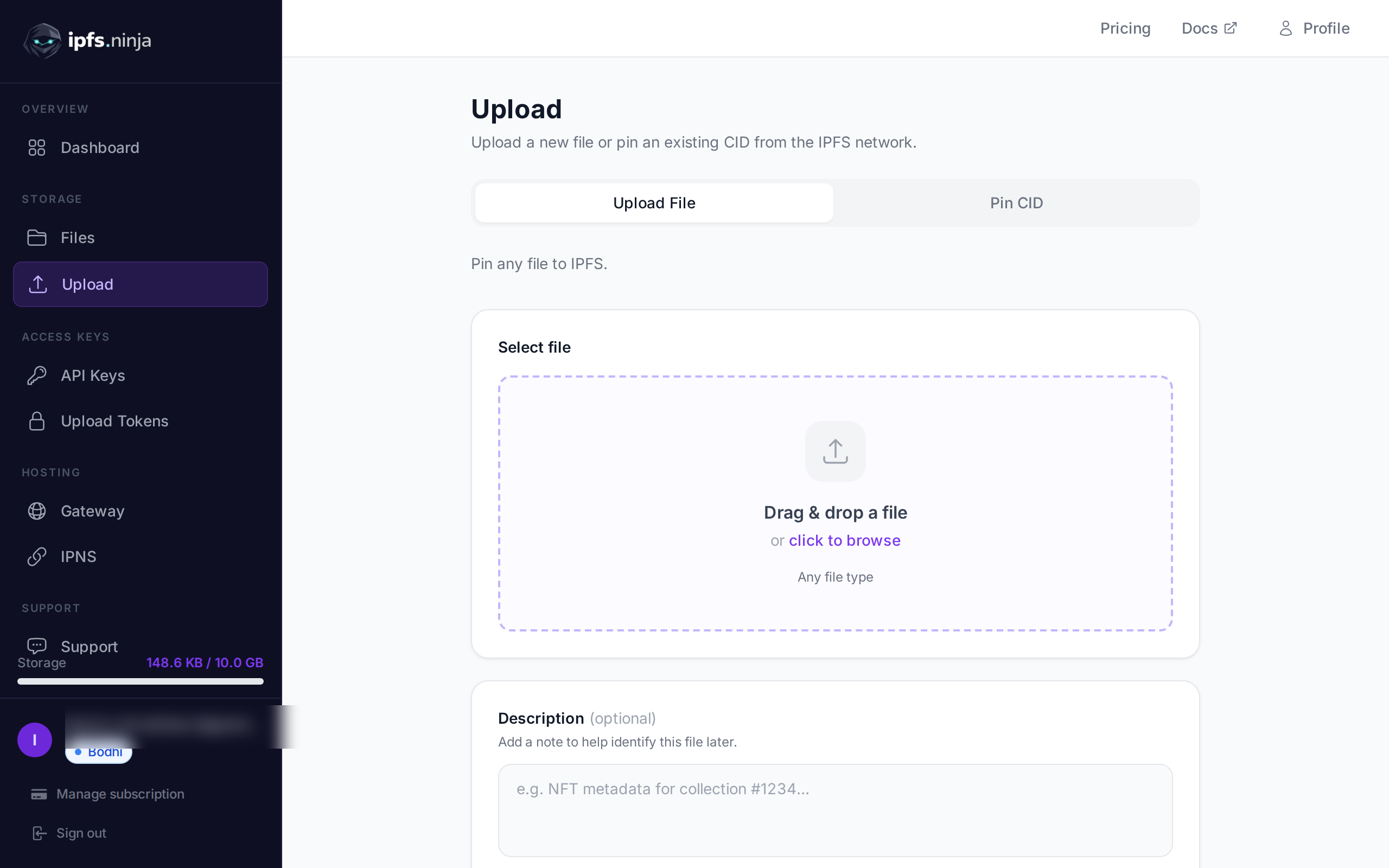
การสร้าง NFT ต้องการมากกว่าแค่การนำสัญญาอัจฉริยะไปใช้งาน — คุณต้องการพื้นที่จัดเก็บแบบกระจายศูนย์ที่เชื่อถือได้สำหรับเมตาดาต้าและสินทรัพย์ของคุณ คู่มือฉบับสมบูรณ์นี้จะนำคุณผ่านขั้นตอนการจัดเก็บเมตาดาต้า NFT บน IPFS โดยใช้แนวทางปฏิบัติที่ดีที่สุดในอุตสาหกรรม พร้อมตัวอย่างโค้ดที่สมบูรณ์สำหรับนักพัฒนา Python และ JavaScript
IPFS ปกป้องเมตาดาต้า NFT ของคุณอย่างไร: 4 การรับประกันที่โฮสต์แบบรวมศูนย์ให้ไม่ได้#
โฮสติ้งเว็บแบบดั้งเดิมสร้างความเสี่ยงของการรวมศูนย์สำหรับโครงการ NFT เมื่อเมตาดาต้าอยู่บนเซิร์ฟเวอร์ทั่วไป NFT อาจ “เสียหาย” หากบริการโฮสติ้งล่มหรือเปลี่ยน URL IPFS (InterPlanetary File System) แก้ปัญหานี้โดยจัดเตรียม:
- การระบุที่อยู่เนื้อหาที่ไม่เปลี่ยนแปลง: แต่ละไฟล์ได้รับ Content Identifier (CID) ที่ไม่ซ้ำกันซึ่งไม่เปลี่ยนแปลง
- การจัดเก็บแบบกระจายศูนย์: เนื้อหามีอยู่บนโหนดหลายแห่งทั่วโลก
- การยืนยันด้วยการเข้ารหัส: ความสมบูรณ์ของไฟล์ได้รับการรับประกันผ่านการแฮชเนื้อหา
- URL ที่ทนทานต่ออนาคต: ลิงก์ IPFS ทำงานอย่างไม่จำกัด ปกป้องคุณค่าระยะยาว
สำหรับความเข้าใจที่ลึกซึ้งยิ่งขึ้นเกี่ยวกับพื้นฐาน IPFS โปรดดูคู่มือของเราเกี่ยวกับ IPFS pinning คืออะไร
ทำความเข้าใจโครงสร้างเมตาดาต้า ERC-721#
มาตรฐาน ERC-721 กำหนดวิธีการสร้างโครงสร้างเมตาดาต้า NFT ฟังก์ชัน tokenURI ของสัญญาอัจฉริยะของคุณส่งคืน URL ที่ชี้ไปยังเมตาดาต้า JSON ตามรูปแบบนี้:
{
  "name": "My Amazing NFT #1",
  "description": "A unique digital artwork showcasing...",
  "image": "ipfs://QmYourImageCIDHere",
  "attributes": [
    {
      "trait_type": "Background",
      "value": "Blue"
    },
    {
      "trait_type": "Rarity",
      "value": "Common"
    }
  ],
  "external_url": "https://yourproject.com/token/1"
}ฟิลด์เมตาดาต้าหลัก#
- name: ชื่อ NFT ที่แสดงในกระเป๋าเงินและตลาดซื้อขาย
- description: ข้อมูลรายละเอียดเกี่ยวกับ NFT
- image: URL IPFS ไปยังสินทรัพย์ภาพหลัก
- attributes: คุณสมบัติตามลักษณะสำหรับการกรองและการคำนวณความหายาก
- external_url: ลิงก์เสริมไปยังเนื้อหาเพิ่มเติมหรือเว็บไซต์โครงการของคุณ
การสร้าง JSON เมตาดาต้าที่ถูกต้องสำหรับ ERC-721#
โครงสร้าง JSON ที่ผ่านการตรวจสอบแล้วต้องมีฟิลด์บังคับสามฟิลด์คือ name, description และ image โดยฟิลด์ image ควรอ้างอิงสินทรัพย์ผ่านโปรโตคอล ipfs://<CID> แทนที่จะใช้ URL ของเกตเวย์ HTTP โดยตรง เพื่อให้ตลาดซื้อขายสามารถเลือกเกตเวย์เองได้หากเกตเวย์ใดเกตเวย์หนึ่งล่ม ฟิลด์ attributes เป็นอาร์เรย์ของอ็อบเจ็กต์ trait_type/value ที่ตลาดซื้อขายใช้สร้างตัวกรองและคำนวณคะแนนความหายาก ฟังก์ชัน Python ด้านล่างสร้างเมตาดาต้า ตรวจสอบฟิลด์บังคับก่อนเข้ารหัส base64 แล้วส่ง POST request ไปยัง IPFS.NINJA API:
def build_validated_metadata(name, description, image_cid, attributes):
    """Build ERC-721 metadata and validate required fields before upload"""
    metadata = {
        "name": name,
        "description": description,
        "image": f"ipfs://{image_cid}",
        "attributes": attributes
    }

    for field in ("name", "description", "image"):
        if not metadata.get(field):
            raise ValueError(f"Missing required field: {field}")

    metadata_b64 = base64.b64encode(
        json.dumps(metadata, indent=2).encode("utf-8")
    ).decode("utf-8")

    response = requests.post(
        "https://api.ipfs.ninja/upload/new",
        headers={"Content-Type": "application/json", "X-Api-Key": API_KEY},
        json={"content": metadata_b64, "description": f"NFT Metadata: {name}"}
    )
    response.raise_for_status()
    return response.json()["cid"]
การตรวจสอบ tokenURI บน Etherscan และ OpenSea#
หลังจาก mint แล้ว ให้ยืนยันว่า tokenURI ที่ deploy จริงชี้ไปยังเมตาดาต้าที่ถูกต้อง โดยเปิด Etherscan ไปที่แท็บ Contract → Read Contract แล้วเรียกฟังก์ชัน tokenURI(tokenId) ด้วยหมายเลขโทเค็นที่ต้องการตรวจสอบ ค่าที่ได้ควรอยู่ในรูปแบบ ipfs://<CID> ตรงกับ CID ที่ได้จากการอัปโหลดเมตาดาต้า จากนั้นวาง URI นี้ในเบราว์เซอร์ผ่านเกตเวย์สาธารณะ (เช่น https://ipfs.io/ipfs/<CID>) เพื่อตรวจสอบว่า JSON โหลดได้และฟิลด์ image ก็ระบุ CID ที่ถูกต้องเช่นกัน ตลาดซื้อขายอย่าง OpenSea จะแปลง ipfs:// เป็น URL เกตเวย์ของตนเองโดยอัตโนมัติเมื่อดึงเมตาดาต้า แต่บางครั้งจะแคชข้อมูลเก่าไว้ หากหน้ารายการยังแสดงรูปภาพหรือคุณสมบัติที่ไม่ตรงกับเมตาดาต้าล่าสุด ให้ใช้ปุ่ม Refresh metadata บนหน้ารายการ NFT ของ OpenSea เพื่อบังคับให้ดึงเมตาดาต้าจาก IPFS ใหม่อีกครั้ง
กระบวนการจัดเก็บ NFT บน IPFS ทีละขั้นตอน#
ขั้นตอนที่ 1: เตรียมสินทรัพย์และเมตาดาต้าของคุณ#
ก่อนอัปโหลดสิ่งใด ให้จัดระเบียบไฟล์ของคุณ:
- สินทรัพย์หลัก: รูปภาพ วิดีโอ หรือเนื้อหาหลักอื่นๆ
- ไฟล์เมตาดาต้า: ไฟล์ JSON ที่อธิบายแต่ละ NFT
- เมตาดาต้าคอลเลกชัน: ข้อมูลระดับคอลเลกชันเสริม
ขั้นตอนที่ 2: อัปโหลดสินทรัพย์ไปยัง IPFS#
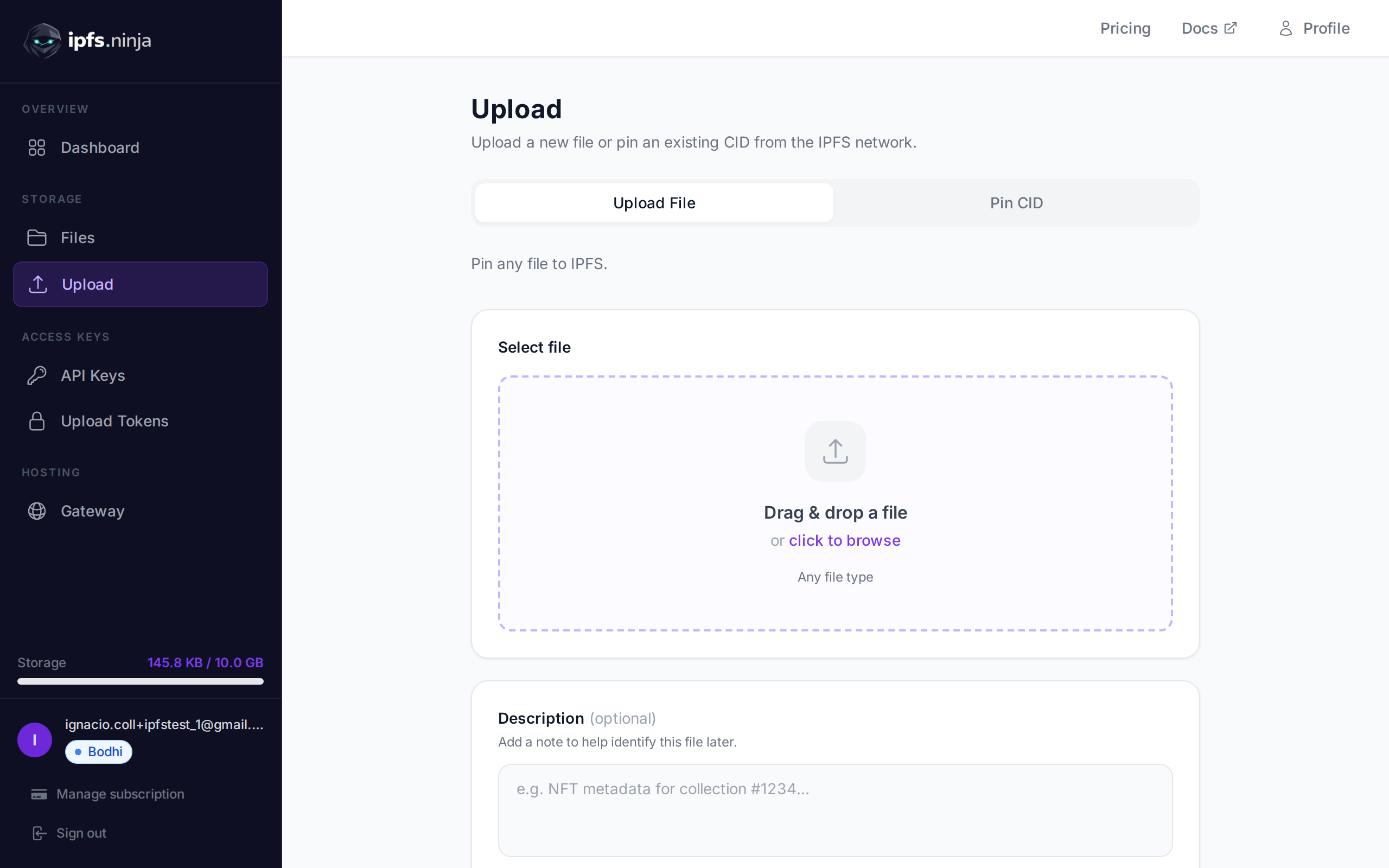
เริ่มต้นด้วยการอัปโหลดสินทรัพย์ NFT หลักของคุณ (รูปภาพ วิดีโอ ฯลฯ) เพื่อรับ IPFS CID คุณจะอ้างอิง CID เหล่านี้ในไฟล์ JSON เมตาดาต้าของคุณ
นี่คือวิธีอัปโหลดรูปภาพโดยใช้ Python:
import requests
import base64
import json

def upload_image_to_ipfs(image_path, api_key):
    """Upload an image file to IPFS and return its CID"""

    # Read and encode image
    with open(image_path, 'rb') as f:
        image_data = base64.b64encode(f.read()).decode('utf-8')

    # Prepare upload payload
    payload = {
        "content": image_data,
        "description": f"NFT Asset: {image_path}"
    }

    headers = {
        "Content-Type": "application/json",
        "X-Api-Key": api_key
    }

    # Upload to IPFS.NINJA
    response = requests.post(
        "https://api.ipfs.ninja/upload/new",
        headers=headers,
        json=payload
    )

    if response.status_code == 200:
        result = response.json()
        print(f"✅ Image uploaded successfully!")
        print(f"CID: {result['cid']}")
        print(f"IPFS URL: {result['uris']['ipfs']}")
        print(f"Gateway URL: {result['uris']['url']}")
        return result['cid']
    else:
        print(f"❌ Upload failed: {response.text}")
        return None

# Example usage
API_KEY = "bws_1234567890abcdef1234567890abcdef"  # Replace with your actual key
image_cid = upload_image_to_ipfs("my-nft-artwork.png", API_KEY)
ขั้นตอนที่ 3: สร้างและอัปโหลด JSON เมตาดาต้า#
เมื่อคุณมี CID ของสินทรัพย์แล้ว ให้สร้างไฟล์ JSON เมตาดาต้าและอัปโหลด:
def create_and_upload_metadata(name, description, image_cid, attributes, api_key):
    """Create NFT metadata JSON and upload to IPFS"""

    # Create metadata object
    metadata = {
        "name": name,
        "description": description,
        "image": f"ipfs://{image_cid}",
        "attributes": attributes
    }

    # Convert to JSON string and encode
    metadata_json = json.dumps(metadata, indent=2)
    metadata_b64 = base64.b64encode(metadata_json.encode('utf-8')).decode('utf-8')

    # Upload metadata
    payload = {
        "content": metadata_b64,
        "description": f"NFT Metadata: {name}",
        "metadata": {
            "contentType": "application/json",
            "nftTokenId": name.split('#')[1] if '#' in name else "1"
        }
    }

    headers = {
        "Content-Type": "application/json",
        "X-Api-Key": api_key
    }

    response = requests.post(
        "https://api.ipfs.ninja/upload/new",
        headers=headers,
        json=payload
    )

    if response.status_code == 200:
        result = response.json()
        print(f"✅ Metadata uploaded successfully!")
        print(f"Metadata CID: {result['cid']}")
        return result['cid']
    else:
        print(f"❌ Metadata upload failed: {response.text}")
        return None

# Example usage
attributes = [
    {"trait_type": "Background", "value": "Cosmic Blue"},
    {"trait_type": "Eyes", "value": "Laser"},
    {"trait_type": "Rarity", "value": "Epic"}
]

metadata_cid = create_and_upload_metadata(
    name="Cosmic Warrior #001",
    description="A fierce warrior from the distant galaxies, wielding the power of stars.",
    image_cid=image_cid,
    attributes=attributes,
    api_key=API_KEY
)
ขั้นตอนที่ 4: การใช้งานใน JavaScript#
สำหรับเว็บแอปพลิเคชันหรือโครงการ Node.js นี่คือเทียบเท่าใน JavaScript:
class NFTStorage {
    constructor(apiKey) {
        this.apiKey = apiKey;
        this.baseUrl = 'https://api.ipfs.ninja';
    }

    async uploadFile(fileContent, description) {
        const payload = {
            content: fileContent, // base64 encoded
            description: description
        };

        const response = await fetch(`${this.baseUrl}/upload/new`, {
            method: 'POST',
            headers: {
                'Content-Type': 'application/json',
                'X-Api-Key': this.apiKey
            },
            body: JSON.stringify(payload)
        });

        if (!response.ok) {
            throw new Error(`Upload failed: ${response.statusText}`);
        }

        return await response.json();
    }

    async uploadImageFromFile(file) {
        return new Promise((resolve, reject) => {
            const reader = new FileReader();
            reader.onload = async (e) => {
                try {
                    const base64Content = e.target.result.split(',')[1]; // Remove data:image/...;base64, prefix
                    const result = await this.uploadFile(base64Content, `NFT Image: ${file.name}`);
                    resolve(result.cid);
                } catch (error) {
                    reject(error);
                }
            };
            reader.readAsDataURL(file);
        });
    }

    async uploadMetadata(name, description, imageCid, attributes = []) {
        const metadata = {
            name,
            description,
            image: `ipfs://${imageCid}`,
            attributes
        };

        const metadataJson = JSON.stringify(metadata, null, 2);
        const base64Metadata = btoa(metadataJson);

        const result = await this.uploadFile(base64Metadata, `NFT Metadata: ${name}`);
        return result.cid;
    }
}

// Usage example
const storage = new NFTStorage('bws_1234567890abcdef1234567890abcdef'); // Replace with your key

// Upload process
async function createNFT() {
    try {
        // Assuming you have a file input element
        const fileInput = document.getElementById('nft-image');
        const imageFile = fileInput.files[0];

        console.log('Uploading image...');
        const imageCid = await storage.uploadImageFromFile(imageFile);
        console.log(`Image uploaded: ${imageCid}`);

        console.log('Uploading metadata...');
        const metadataCid = await storage.uploadMetadata(
            'Galaxy Explorer #042',
            'A mysterious explorer traversing the cosmic void.',
            imageCid,
            [
                { trait_type: 'Class', value: 'Explorer' },
                { trait_type: 'Galaxy', value: 'Andromeda' },
                { trait_type: 'Rarity', value: 'Legendary' }
            ]
        );

        console.log(`Metadata uploaded: ${metadataCid}`);
        console.log(`Token URI: ipfs://${metadataCid}`);

    } catch (error) {
        console.error('Upload failed:', error);
    }
}
การใช้งาน tokenURI ในสัญญาอัจฉริยะของคุณ#
เมื่อเมตาดาต้าของคุณอัปโหลดไปยัง IPFS แล้ว ให้ใช้งานฟังก์ชัน tokenURI ในสัญญา ERC-721 ของคุณ:
// SPDX-License-Identifier: MIT
pragma solidity ^0.8.0;

import "@openzeppelin/contracts/token/ERC721/ERC721.sol";
import "@openzeppelin/contracts/access/Ownable.sol";

contract MyNFTCollection is ERC721, Ownable {
    mapping(uint256 => string) private _tokenURIs;
    string private _baseTokenURI;

    constructor(string memory name, string memory symbol) ERC721(name, symbol) {}

    function setTokenURI(uint256 tokenId, string memory uri) external onlyOwner {
        require(_exists(tokenId), "Token does not exist");
        _tokenURIs[tokenId] = uri;
    }

    function setBaseURI(string memory baseURI) external onlyOwner {
        _baseTokenURI = baseURI;
    }

    function tokenURI(uint256 tokenId) public view virtual override returns (string) {
        require(_exists(tokenId), "Token does not exist");

        string memory _tokenURI = _tokenURIs[tokenId];

        // Return specific token URI if set
        if (bytes(_tokenURI).length > 0) {
            return _tokenURI;
        }

        // Fall back to base URI + token ID pattern
        if (bytes(_baseTokenURI).length > 0) {
            return string(abi.encodePacked(_baseTokenURI, tokenId.toString()));
        }

        return "";
    }

    function mintWithURI(address to, uint256 tokenId, string memory uri) external onlyOwner {
        _mint(to, tokenId);
        _tokenURIs[tokenId] = uri;
    }
}การดำเนินการเป็นชุดสำหรับคอลเลกชันขนาดใหญ่#
สำหรับคอลเลกชัน NFT ขนาดใหญ่ การดำเนินการเป็นชุดช่วยประหยัดเวลาและค่า gas:
def batch_upload_collection(collection_data, api_key):
    """Upload an entire NFT collection in batches"""

    print(f"Starting batch upload of {len(collection_data)} NFTs...")
    results = []

    for i, nft_data in enumerate(collection_data):
        print(f"Processing NFT {i+1}/{len(collection_data)}: {nft_data['name']}")

        try:
            # Upload image
            image_cid = upload_image_to_ipfs(nft_data['image_path'], api_key)

            if image_cid:
                # Upload metadata
                metadata_cid = create_and_upload_metadata(
                    name=nft_data['name'],
                    description=nft_data['description'],
                    image_cid=image_cid,
                    attributes=nft_data['attributes'],
                    api_key=api_key
                )

                if metadata_cid:
                    results.append({
                        'token_id': i + 1,
                        'name': nft_data['name'],
                        'image_cid': image_cid,
                        'metadata_cid': metadata_cid,
                        'token_uri': f"ipfs://{metadata_cid}"
                    })

        except Exception as e:
            print(f"❌ Error processing {nft_data['name']}: {e}")

    print(f"✅ Batch upload complete! {len(results)} NFTs processed successfully.")
    return results

# Example collection data
collection_data = [
    {
        'name': 'Cosmic Warrior #001',
        'description': 'A fierce warrior from distant galaxies.',
        'image_path': 'images/warrior_001.png',
        'attributes': [
            {'trait_type': 'Class', 'value': 'Warrior'},
            {'trait_type': 'Rarity', 'value': 'Epic'}
        ]
    },
    # Add more NFTs...
]

results = batch_upload_collection(collection_data, API_KEY)
แนวทางปฏิบัติที่ดีที่สุดสำหรับการจัดเก็บเมตาดาต้า NFT#
1. ใช้ชื่อไฟล์ที่อธิบายได้#
เมื่ออัปโหลดไปยัง IPFS ให้ใช้คำอธิบายที่มีความหมายเพื่อช่วยในการจัดระเบียบ:
payload = {
    "content": base64_content,
    "description": f"Collection: {collection_name} | Token: {token_id} | Type: {file_type}"
}
2. ใช้การจัดการข้อผิดพลาดที่เหมาะสม#
จัดการกับความล้มเหลวในการอัปโหลดอย่างสง่างามเสมอ:
import time

def upload_with_retry(upload_function, max_retries=3, delay=2):
    """Upload with exponential backoff retry logic"""

    for attempt in range(max_retries):
        try:
            return upload_function()
        except Exception as e:
            if attempt == max_retries - 1:
                raise e
            print(f"Attempt {attempt + 1} failed: {e}. Retrying in {delay} seconds...")
            time.sleep(delay)
            delay *= 2  # Exponential backoff
3. ตรวจสอบโครงสร้างเมตาดาต้า#
ตรวจสอบให้แน่ใจว่าเมตาดาต้าของคุณเป็นไปตามมาตรฐาน:
def validate_metadata(metadata):
    """Validate NFT metadata structure"""
    required_fields = ['name', 'description', 'image']

    for field in required_fields:
        if field not in metadata:
            raise ValueError(f"Missing required field: {field}")

    if not metadata['image'].startswith('ipfs://'):
        raise ValueError("Image must be an IPFS URL")

    if 'attributes' in metadata:
        for attr in metadata['attributes']:
            if 'trait_type' not in attr or 'value' not in attr:
                raise ValueError("Invalid attribute structure")

    return True
การเลือกบริการ IPFS Pinning ที่เหมาะสม#
เมื่อเลือกบริการ IPFS pinning สำหรับโครงการ NFT ของคุณ ให้พิจารณา:
- ความน่าเชื่อถือ: รับประกันเวลาทำงานสำหรับการจัดเก็บระยะยาว
- ประสิทธิภาพ: ความเร็วในการดึงข้อมูลอย่างรวดเร็วทั่วโลก
- ราคา: คุ้มค่าสำหรับขนาดคอลเลกชันของคุณ
- คุณสมบัติ: ความสามารถของ API การวิเคราะห์ และเครื่องมือสำหรับนักพัฒนา
สำหรับการเปรียบเทียบบริการ pinning โดยละเอียด อ่านการเปรียบเทียบ IPFS Ninja vs Pinata และคู่มือของเราเกี่ยวกับ บริการ IPFS pinning ที่ดีที่สุด
คุณสมบัติขั้นสูง: เกตเวย์ที่กำหนดเองและการวิเคราะห์#
IPFS Ninja นำเสนอคุณสมบัติเพิ่มเติมสำหรับโครงการ NFT มืออาชีพ:
การกำหนดค่าเกตเวย์แบบกำหนดเอง#
สร้างเกตเวย์ IPFS ที่มีแบรนด์สำหรับคอลเลกชันของคุณ:
// Access your NFT through a custom gateway
const customGateway = 'https://my-collection.gw.ipfs.ninja';
const nftUrl = `${customGateway}/ipfs/${metadataCid}`;การวิเคราะห์การอัปโหลด#
ตรวจสอบการใช้พื้นที่จัดเก็บ NFT และรูปแบบการเข้าถึงผ่านการวิเคราะห์แดชบอร์ด ช่วยให้คุณเข้าใจประสิทธิภาพของคอลเลกชันและเพิ่มประสิทธิภาพต้นทุนการจัดเก็บ
การแก้ไขปัญหาทั่วไป#
เมตาดาต้าไม่โหลด#
- ตรวจสอบว่า URL IPFS ใช้โปรโตคอล
ipfs:// - ตรวจสอบว่า JSON เมตาดาต้าถูกต้อง
- ตรวจสอบให้แน่ใจว่าบริการ pinning กำลังบำรุงรักษาเนื้อหา
รูปภาพไม่แสดง#
- ยืนยันว่า CID ของรูปภาพถูกต้องในเมตาดาต้า
- ทดสอบ URL รูปภาพในเกตเวย์ IPFS
- ตรวจสอบว่ารูปแบบไฟล์รูปภาพเข้ากันได้กับเว็บ
ข้อผิดพลาดในการประมาณค่า Gas#
- ตรวจสอบให้แน่ใจว่าฟังก์ชัน
tokenURIส่งคืนสตริงที่ถูกต้อง - ตรวจสอบการอ้างอิงแบบวนซ้ำในเมตาดาต้า
- ตรวจสอบ IPFS CID ทั้งหมดก่อนการ minting
การตรวจสอบและบำรุงรักษาพื้นที่จัดเก็บ NFT ของคุณ#
หลังจากปรับใช้คอลเลกชันของคุณ:
- การตรวจสุขภาพเป็นประจำ: ตรวจสอบว่าเมตาดาต้าและรูปภาพยังคงสามารถเข้าถึงได้
- สำรอง CID ที่สำคัญ: เก็บบันทึกของตัวระบุเนื้อหาที่อัปโหลดทั้งหมด
- ตรวจสอบการวิเคราะห์: ติดตามรูปแบบการเข้าถึงและการใช้พื้นที่จัดเก็บ
- วางแผนการขยายขนาด: พิจารณาอัปเกรดบริการ pinning ของคุณเมื่อคอลเลกชันของคุณเติบโต
สำหรับรายละเอียดเพิ่มเติมเกี่ยวกับการจัดการการอัปโหลดด้วยโปรแกรม โปรดดู บทเรียน IPFS upload API ของเรา
บทสรุป#
การจัดเก็บเมตาดาต้า NFT บน IPFS ช่วยให้มั่นใจได้ว่าสินทรัพย์ดิจิทัลของคุณยังคงเข้าถึงได้และมีคุณค่าในระยะยาว โดยทำตามคู่มือนี้ คุณได้เรียนรู้ที่จะ:
- สร้างโครงสร้างเมตาดาต้าที่เข้ากันได้กับ ERC-721
- อัปโหลดสินทรัพย์และเมตาดาต้าโดยใช้ Python และ JavaScript
- ใช้งานฟังก์ชัน
tokenURIที่เหมาะสม - จัดการการดำเนินการเป็นชุดสำหรับคอลเลกชันขนาดใหญ่
- ใช้แนวทางปฏิบัติที่ดีที่สุดสำหรับการปรับใช้ในการผลิต
การผสมผสานสถาปัตยกรรมแบบกระจายของ IPFS และบริการ pinning ที่เชื่อถือได้ สร้างรากฐานสำหรับโครงการ NFT ที่ประสบความสำเร็จซึ่งทนต่อการทดสอบของเวลา
พร้อมเริ่มต้นกับ pinning แล้วหรือยัง? สร้างบัญชีฟรี — 50 ไฟล์, พื้นที่จัดเก็บ 1 GB, แบนด์วิดท์ 2 GB/เดือน ไม่ต้องใช้บัตรเครดิต
เกี่ยวกับผู้เขียน
Nacho Coll
Founder & Engineer at IPFS.NINJA
Nacho founded IPFS.NINJA to make content-addressed storage feel as simple as an S3 PUT — a single API call, a permanent CID, no wallets or peer discovery to reason about. Writes about IPFS internals, decentralized storage patterns, and the pinning-service landscape from the operator side of the wire.